Joking Apart
Semi-autobiographical sitcom about a couple's rise and fall.
Joking Apart is a BBC television sitcom written by Steven Moffat, broadcast between 1993 and 1995. The series juxtaposes the rise and fall of a relationship, following the couple Mark and Becky from falling in love and marrying to separation and divorce. Directed by Bob Spiers and produced by Andre Ptaszynski for independent production company Pola Jones, the show is semi-autobiographical, inspired by Moffat's separation from his first wife.
- field
- Television sitcom
- network
- BBC
- broadcast_years
- 1993–1995
- episodes
- 12
- creator
- Steven Moffat
- director
- Bob Spiers
- producer
- Andre Ptaszynski
Lore & Background
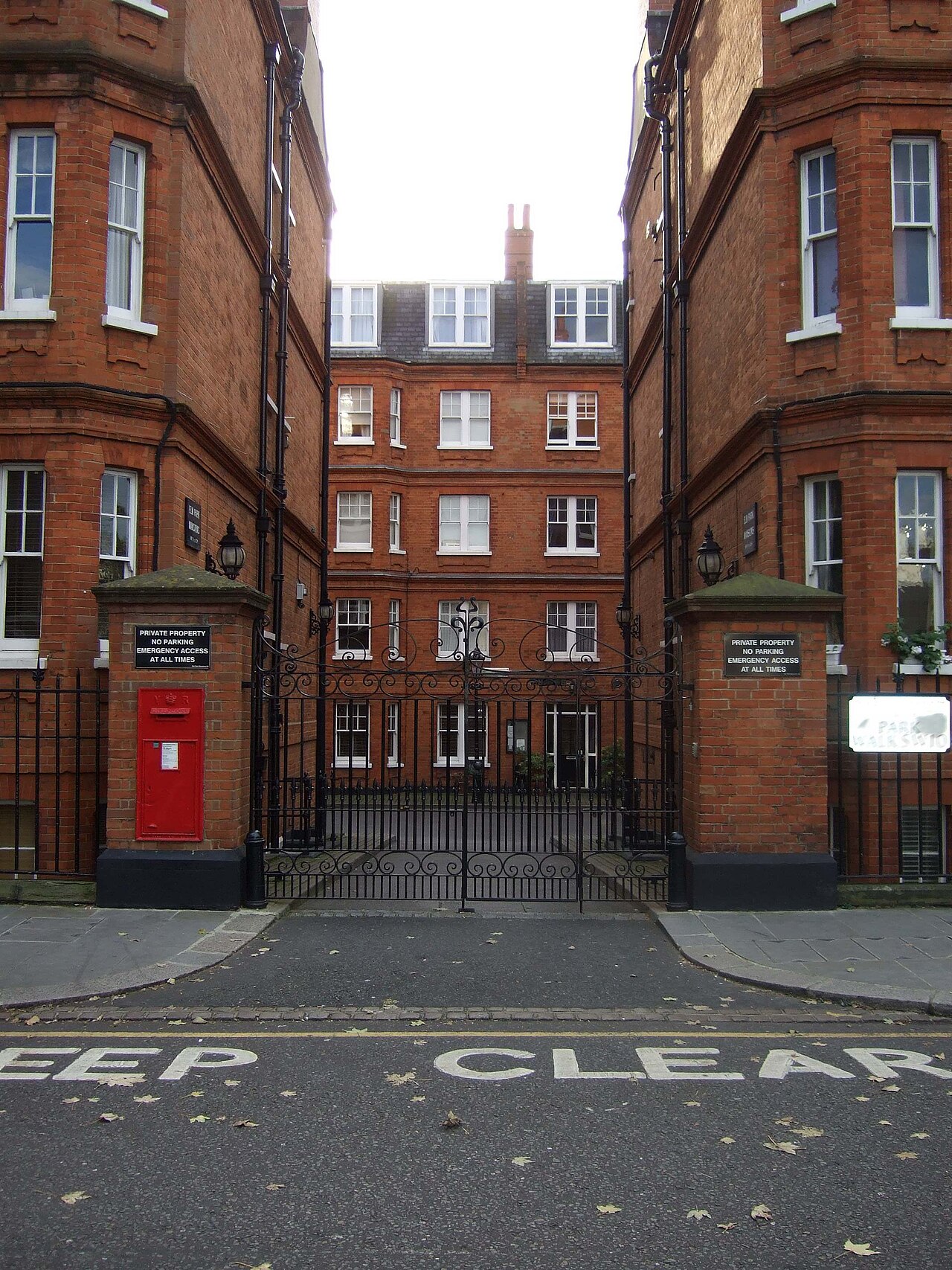
Joking Apart was conceived after producer Andre Ptaszynski suggested Steven Moffat write about his impending divorce instead of a school sitcom. The show's non-linear first series contrasted scenes from the beginning of the relationship with those from the end, a technique Moffat had experimented with in Press Gang. The pilot, filmed at Pebble Mill in Birmingham on 9–10 August 1990, was transmitted on BBC2 as part of its Comic Asides series on 12 July 1991. Location shots for the first series were filmed in Chelsea in the first half of April 1992, with studio recording at BBC Television Centre in April and May 1992. The second series was recorded from 12 November until 18 December 1993.
Reader's Guide
Despite low viewing figures due to scheduling problems, Joking Apart scored highly on the Appreciation Index and accrued a loyal fanbase. One fan acquired the home video rights from the BBC and released both series on his own DVD label. The show's structure, particularly the non-linear narrative and fantasy stand-up sequences opening each episode, drew both criticism and appreciation. Moffat later regretted the stand-up sequences, though Robert Bathurst considered refilming them as a video diary. The series reused the surname 'Taylor' for a character in Moffat's later sitcom Coupling. Its legacy includes influencing Moffat's subsequent work and maintaining a cult following.
Did You Know?
- The pilot was filmed at Pebble Mill in Birmingham on 9–10 August 1990 and transmitted on BBC2 on 12 July 1991.
- Moffat's ex-wife was an estate agent, and he jokes that his wife didn't leave him for an estate agent.
- One fan acquired the home video rights from the BBC and released both series on his own DVD label.
- The theme song 'Fool (If You Think It's Over)' was performed by Kenny Craddock for the series.
Origins & Personal Inspiration
By 1990, Moffat had completed two series of Press Gang, but the show's high production costs and organisational shifts at Central left its future uncertain. As he worried about his next project, director Bob Spiers suggested he sit down with producer Andre Ptaszynski to explore writing a sitcom. Moffat's initial pitch—born from his background as a former English teacher and son of a headteacher—was a school-based comedy, the kind of show that would later materialise as Chalk in 1997. However, during the pitch meeting at the Groucho Club, Ptaszynski noticed Moffat speaking passionately about his impending divorce and urged him to write about that instead. The resulting concept was a sitcom about a writer whose wife leaves him. Moffat later joked that he had to remember his ex-wife hadn't left him for an estate agent—she herself was one. In 2003, he told The New York Times his ex-wife "wasn't terribly pleased" about her failed marriage becoming a BBC2 Monday-night sitcom. He also quipped to Richard Herring that the show "actually lasted slightly longer than my marriage."
Production & Recording
The pilot was shot at Pebble Mill in Birmingham on 9–10 August 1990 under director John Kilby, and proved so close to the eventual first episode that some scenes—most notably Mark and Becky's awkward first meeting at a funeral—were simply reused, earning both directors a shared credit. The stand-up sequences were filmed against a plain black backdrop, a choice Moffat felt made the fantasy framing clearer but also looked strange. Location work for series one took place in the first half of April 1992, primarily in Chelsea, close to the director's home. The comedy-club stand-up was recorded at the Café Des Artistes on Fulham Road, now known as the Valmont Club, before a live studio audience, with the intention of reshooting for broadcast. That reshoot, however, never happened; Bathurst later complained the BBC saved £5,000 by skipping it. Studio recordings at BBC Television Centre ran from April to May 1992 for the first series and from 12 November to 18 December 1993 for the second. Sessions were brisk—Gillies recalled "an hour and a half, tops"—with much of the editing done live on the floor. Spiers would review the show on Sunday evenings before heading to the bar, the bulk of post-production already complete.
Narrative Structure & Creative Technique
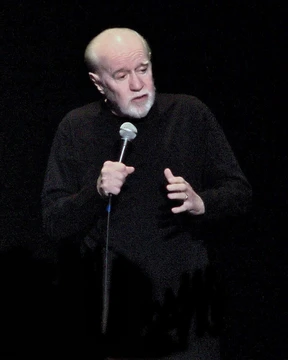
Moffat described the show's core conceit as "a romantic comedy, but a romantic comedy backwards because it ends with the couple unhappy." Many of the first six episodes employed a non-linear parallel structure, intercutting scenes from the couple's early courtship with moments from their separation and divorce. This technique echoed experiments Moffat had tried in Press Gang, such as the episode "Monday-Tuesday," and would resurface in Coupling, where the fourth-series episode "9½ Minutes" presented the same events from three different perspectives. Every episode opened with Robert Bathurst as Mark Taylor, a sitcom writer performing stand-up in a small comedy club. These sequences were fantasy monologues playing out in his mind, drawing material from his failing marriage to externalise his internal creative process. The show also featured ensemble farce episodes centred on the couple's friends Robert (Paul Raffield) and Tracy (Tracie Bennett), while Paul Mark Elliott appeared as Trevor, Becky's lover, adding further dramatic texture to the relationship's unraveling.
Reception & Legacy
Scheduling difficulties kept Joking Apart from attracting large audiences, and its viewing figures remained modest throughout its two series, broadcast between 1993 and 1995. Yet the show earned strong scores on the BBC's Appreciation Index and cultivated a devoted following. One dedicated fan went so far as to acquire the home video rights directly from the BBC and released both series under his own DVD label, ensuring the show remained accessible long after its initial run. The series also left a creative fingerprint on Moffat's later work: he reused the surname "Taylor"—Mark's family name in Joking Apart—for Steve, Jack Davenport's character in Coupling, a sitcom built around his relationship with his second wife, TV producer Sue Vertue. The show thus stands as both a personal document of Moffat's first marriage and a structural and thematic precursor to the relationship comedy that would later make him internationally famous.
Gallery
More in British stand-up comedy television series 1-24
Spotted an error? Know more?
This is a living reference — every entry is fact-audited, and reader corrections feed straight into our audit queue. Suggest an edit · See this site's audit record