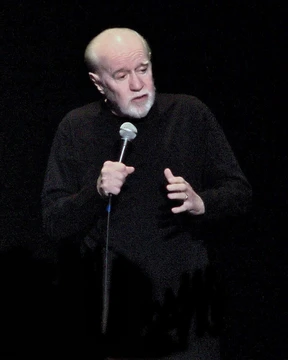
Live at the Apollo (TV series)
Recorded stand-up comedy from the Hammersmith Apollo.
Live at the Apollo, originally called *Jack Dee Live at the Apollo*, is a British stand-up comedy show filmed at the Hammersmith Apollo. Although the episodes are recorded rather than broadcast live, the comedians perform in front of a live audience. Jack Dee hosted the first two series and the opening episode of the third, where he did a short set before introducing another comedian. The show aired on BBC One until 2015, when it moved to BBC Two in November of that year. The programme was renamed for its third series, which was recorded over three nights in October 2007, and the format shifted so that one of the evening’s performers would act as host. The fourth series began on 28 November 2008, featuring newer stand-up comedians and moving from Monday to Friday nights to replace *Friday Night with Jonathan Ross* after Ross’s suspension due to the Sachsgate controversy. After hosting the first episode of that series, Michael McIntyre got his own similar show, *Michael McIntyre’s Comedy Roadshow*, which ran from 2009 to 2011. On 29 July 2026, the BBC announced that *Live at the Apollo* would end after its 21st series, scheduled for filming that autumn, because of broadcaster cuts.
- field
- Stand-up comedy television programme
- nationality
- British
- known_for
- Showcasing stand-up comedians from the Hammersmith Apollo
- first_series
- 2004
- final_series_announced
- Series 21 (2026)
- original_network
- BBC One (until 2015), BBC Two (from 2015)
Lore & Background
Live at the Apollo began as Jack Dee Live at the Apollo, with Jack Dee hosting the first two series and the opening show of the third series. The programme was renamed for its third series, filmed over three evenings in October 2007, and the format changed so that one of the night's performers assumed hosting duties. The fourth series, beginning 28 November 2008, showcased newer stand-up comedians and was moved from Monday to Friday nights to replace Friday Night with Jonathan Ross after Ross's suspension due to the Sachsgate row. Michael McIntyre, after hosting the first episode of series 4, was given his own similar-format show, Michael McIntyre's Comedy Roadshow, which ran from 2009 to 2011. The show moved from BBC One to BBC Two starting with series 11 in November 2015. Series 16, broadcast in 2021, was not filmed the previous year due to the COVID-19 pandemic. On 29 July 2026, the BBC announced that the programme would end after series 21, to be filmed in the autumn, due to cuts.
Reader's Guide
Live at the Apollo stands as a significant British television institution for stand-up comedy, providing a platform for both established and emerging comedians over more than two decades. Its format, recorded before a live audience at the Hammersmith Apollo, captured the energy of live performance while allowing for broadcast editing. The show's move from BBC One to BBC Two in 2015 reflected changing scheduling priorities, yet it continued to attract notable guest appearances. The programme's influence is evident in the spin-off Michael McIntyre's Comedy Roadshow, which followed a similar format. The announcement of its end after series 21 in 2026, attributed to broadcaster cuts, marks the conclusion of a long-running series that documented the evolution of British stand-up comedy. Its legacy includes a substantial archive of performances by many of the UK's leading comedians.
Did You Know?
- The programme was originally titled Jack Dee Live at the Apollo and was renamed for its third series.
- The fourth series replaced Friday Night with Jonathan Ross after Ross's suspension due to the Sachsgate row.
- Michael McIntyre was given his own show, Michael McIntyre's Comedy Roadshow, after hosting the first episode of series 4.
- The BBC announced on 29 July 2026 that Live at the Apollo will end after series 21 due to cuts.
Format and Creative Evolution
Live at the Apollo occupies a distinctive niche in British television comedy: it is a stand-up programme staged at the Hammersmith Apollo theatre, where performers deliver their sets before a live audience, yet the resulting tape is edited and broadcast rather than transmitted in real time. This hybrid approach gives the show the energy of a live club performance while allowing post-production polish. The programme's identity shifted significantly with its third series, filmed across three consecutive evenings in October 2007. Originally branded as Jack Dee Live at the Apollo, the show was simply renamed Live at the Apollo, reflecting a structural change. Jack Dee, who had anchored the first two series and opened the third, stepped back from a permanent hosting role. From that point forward, the format handed the microphone to one of that night's own performers, who would introduce their fellow comedians. This democratic twist meant the spotlight rotated, and no single personality defined the show's brand.
Broadcast Journey and Scheduling
The show's broadcast history reveals a programme that navigated multiple institutional shifts. For its first eleven series, Live at the Apollo enjoyed a prime slot on BBC One, cementing its status as a flagship comedy offering. In November 2015, however, the series migrated to BBC Two, a move that persisted through every subsequent run. Scheduling, too, was not immune to external drama. Series four, which premiered on 28 November 2008, was pulled from its customary Monday-night slot and rescheduled to Fridays to fill the void left by Jonathan Ross's suspension following the Sachsgate controversy. The pandemic also left its mark: no new series was filmed during 2020, and the sixteenth series did not reach viewers until 10 November 2021. By the seventeenth series, the broadcast date had slipped further into December 2022, underscoring how production timelines stretched under extraordinary circumstances. Despite these disruptions, the show maintained an almost annual cadence for over two decades.
Launchpad and Spin-offs
Beyond its own runs, Live at the Apollo served as a springboard for individual comedians to build wider careers. Series four, which showcased a deliberately younger crop of stand-up talent, proved particularly consequential. Michael McIntyre stepped in to host the opening episode of that series, and the BBC, recognizing his draw, green-lit a dedicated spin-off: Michael McIntyre's Comedy Roadshow, which ran from 2009 to 2011 in a similar format of one comedian hosting a rotating cast. The show also cultivated a loyal bench of repeat performers; a notable number of guest comedians appeared multiple times across the first fifteen series, building a recognizable family of faces for the audience. The BBC additionally produced assorted special episodes outside the regular series cycle, giving the format extra breathing room. In this way, the programme functioned less as a single entity and more as an ecosystem, nurturing talent and feeding it into other BBC comedy properties.
Final Chapter and Legacy
On 29 July 2026, the BBC confirmed that Live at the Apollo would conclude after its twenty-first series, scheduled for filming in the autumn of that year. The decision was attributed to budgetary cuts at the broadcaster, bringing to a close a run that had spanned more than two decades since the first series aired in 2004. Over that stretch, the show weathered a rebrand, a channel transfer, a pandemic-induced hiatus, and the departure of its original host, yet it retained its core identity: a rotating cast of British comedians performing at the Hammersmith Apollo before a live crowd. The final announcement marked the end of an era for UK stand-up television, as the programme had become one of the longest-running dedicated comedy showcases on British airwaves. Its legacy lies not only in the laughs it delivered but in the platform it provided for generations of performers to reach a national audience in a single, unbroken thread of live comedy.
Gallery

More in British stand-up comedy television series 1-24
Spotted an error? Know more?
This is a living reference — every entry is fact-audited, and reader corrections feed straight into our audit queue. Suggest an edit · See this site's audit record